
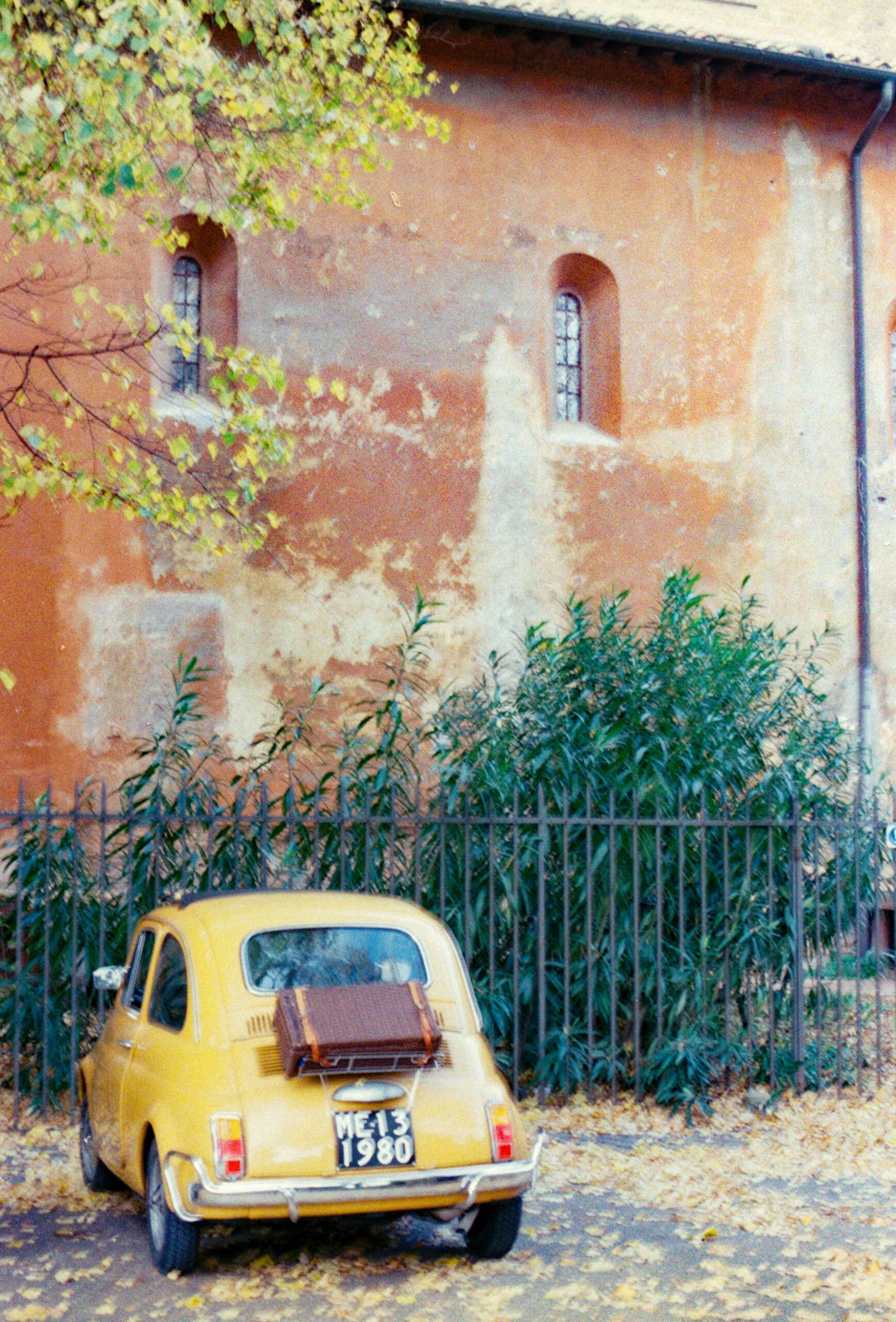
A vintage colour palette is more than just a selection of shades — it is the soul of any retro-inspired interior. Choosing the right colours can instantly transport a home back in time, evoking the elegance of mid-century design, the warmth of aged materials, and the playful energy of retro patterns. Whether you’re redecorating a living room, bedroom, or dining area, understanding retro vintage color palette principles is key to creating a cohesive and timeless interior.
From muted pastels to bold jewel tones, a carefully curated vintage colour palette allows homeowners to blend nostalgia with modern comfort, turning each space into a harmonious, stylish sanctuary.
What Defines a Vintage Colour Palette?
A vintage colour palette is characterised by balance, subtlety, and personality. Unlike contemporary schemes that often rely on stark contrasts or ultra-bright tones, vintage palettes reflect the aesthetic of previous decades, capturing warmth, elegance, and a sense of history.
Key elements include:
- muted or dusty hues that feel aged
- natural and earthy tones that complement vintage furniture
- selective use of bold colours for accent pieces
- harmonious combinations that evoke nostalgia
A well-chosen palette ensures that every element, from furniture to wall décor, feels intentional and part of a larger story.
Understanding the Retro Influence
The color palette retro draws inspiration primarily from the 1950s to 1970s. These hues are often richer and more saturated than earlier vintage shades, reflecting the optimism and boldness of the mid-century era.
Common retro colours include:
- mustard yellow
- burnt orange
- avocado green
- teal and turquoise
- deep browns and maroons
Integrating a retro vintage color palette into your interior design brings playful energy while maintaining balance, especially when paired with neutral backdrops such as soft beige, cream, or pale gray.
Creating Harmony with Vintage Colour Palettes
One of the keys to a successful vintage interior is cohesion. Colour should guide the eye through each room, creating a seamless flow and enhancing architectural details or decorative elements.
Tips for using a vintage colour palette effectively:
- choose 2–3 dominant colours and 1–2 accent shades
- repeat colours across multiple rooms for continuity
- use furniture, textiles, and wall décor to reinforce your palette
- layer colours to create depth and visual interest
This approach ensures that a retro vintage color palette feels integrated rather than chaotic, maintaining the elegance and charm that define vintage interiors.
Applying Vintage Colour Palettes by Room
Living Room
The living room is the perfect space to explore vintage color palette ideas. Mustard yellow cushions, a teal accent wall, or a burnt orange rug can add warmth and vibrancy. Pairing these shades with retro furniture or antique décoramplifies the nostalgic atmosphere while keeping the space stylish.
Bedroom
Bedrooms benefit from soft, muted tones in a vintage colour palette. Pastel greens, powder blues, and blush pinks create a serene environment, while pops of deeper shades like maroon or navy can provide sophistication and depth. These colours complement vintage textiles, wooden furniture, and classic lighting.
Kitchen
Kitchens often embrace bold retro choices. Using a color palette retro with avocado green cabinetry, burnt orange accents, or mustard backsplash tiles instantly adds charm. Layering these with neutral countertops or metallic finishes creates balance and avoids overwhelming the space.
Why Vintage Colour Palettes Remain Popular
The appeal of a vintage colour palette lies in its timelessness. Unlike trend-driven colours that fade in popularity, vintage shades feel enduring and classic. They bring warmth, personality, and character to a home, making spaces feel curated rather than generic.
Using a retro vintage color palette allows homeowners to:
- connect with historical design traditions
- inject individuality into their interiors
- harmonise antique or retro furniture with modern décor
- create spaces that feel cozy, stylish, and visually intriguing
Combining Vintage and Contemporary Elements
A vintage colour palette doesn’t mean your home must look stuck in the past. Modern elements can be integrated seamlessly:
- combine muted vintage shades with minimalist furniture
- use contemporary lighting to highlight retro walls
- introduce modern artwork that echoes vintage colours
This blending keeps interiors fresh while respecting the timeless beauty of a vintage colour palette. The result is a space that feels sophisticated, intentional, and uniquely yours.
Tips for Choosing Your Vintage Colour Palette
- Start with inspiration: Pull from artwork, textiles, or historic interiors that resonate with you.
- Test colours in small areas: Try accent walls, throw pillows, or decorative objects first.
- Balance bold and muted shades: This creates visual harmony and avoids overwhelming the eye.
- Consider natural light: Vintage colours can appear differently under various lighting conditions.
- Layer textures: Pair coloured walls with wood, metals, or fabrics to enhance depth.
Using these strategies ensures your retro vintage color palette feels intentional and inspiring, rather than accidental.
Bringing Vintage Colour to Life
Ultimately, a vintage colour palette is about storytelling. Every shade evokes history, emotion, and personal taste. By thoughtfully combining muted tones, bold accents, and complementary textures, homeowners can create interiors that feel curated, cozy, and visually striking.
Whether experimenting with a color palette retro for a living room, bedroom, or kitchen, or harmonising antique furniture with modern comforts, vintage colours provide endless inspiration. They remind us that interiors are not just functional spaces — they are expressions of personality, memory, and timeless style.
Check out the next article on Art Deco Print Styles!