
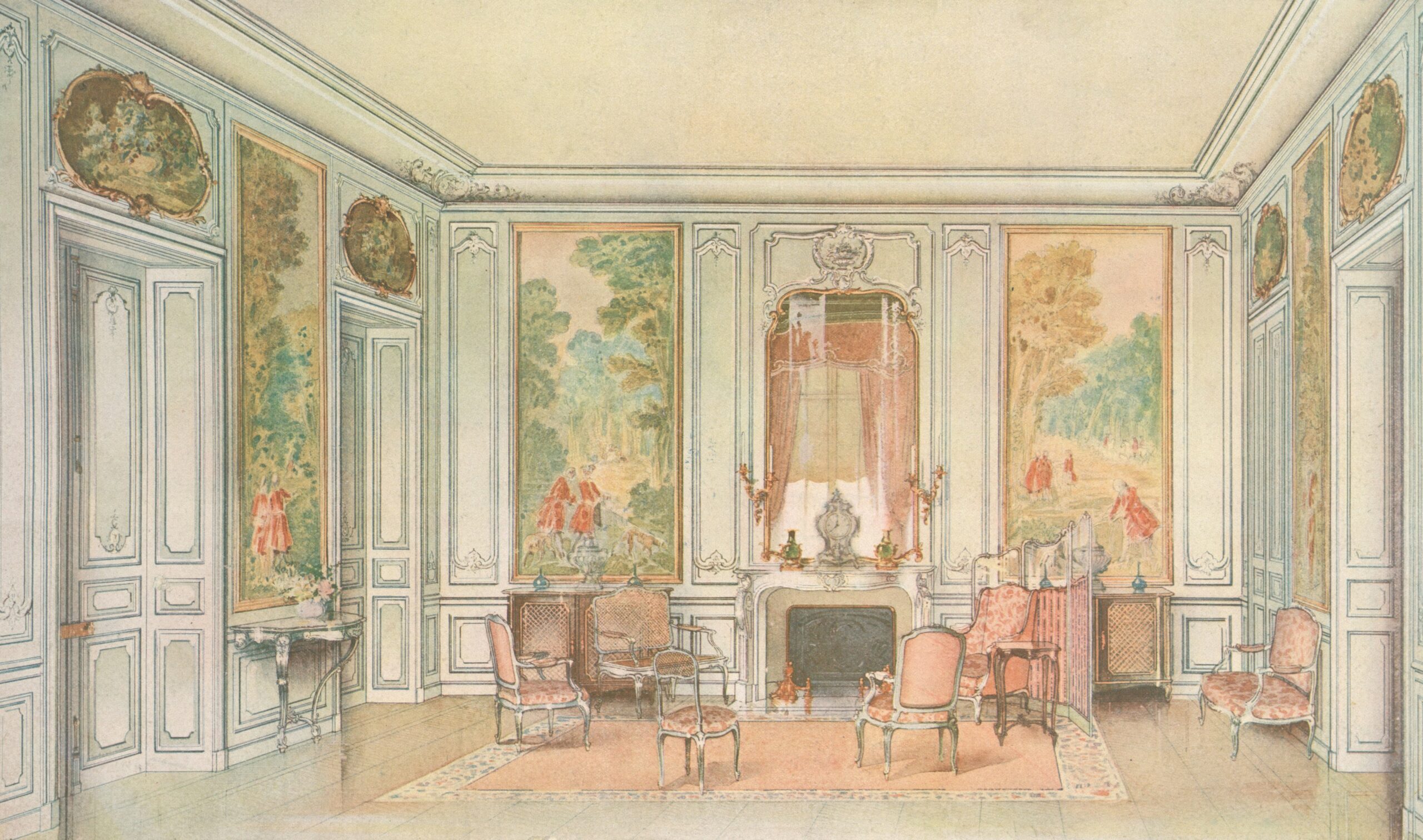
Vintage interior design is more than a decorative choice — it is a way of creating a home filled with character, warmth, and personal history. Rooted in appreciation for craftsmanship and timeless beauty, this style blends the charm of the past with the comfort of modern living. From home antique decor to carefully layered vintage decoration, vintage interiors invite us to slow down and surround ourselves with pieces that tell a story.
Rather than following fleeting trends, vintage interior design celebrates longevity, individuality, and emotional connection.
What Defines Vintage Interior Design?
At its heart, vintage interior design is about balance. It combines aged elements with fresh surroundings, allowing each piece to stand out without overwhelming the space. Unlike purely antique interiors, vintage homes feel lived-in, collected over time, and thoughtfully curated.
Key characteristics include:
- well-crafted furniture with visible patina
- layered textures and soft colour palettes
- decorative objects with history or character
- a mix of old and new for comfort and function
This approach makes vintage decoration accessible and adaptable, suitable for both modern apartments and traditional homes.
The Role of Home Antique Decor
Home antique decor forms the backbone of many vintage interiors. These elements add authenticity and depth, grounding a space in tradition while offering visual interest. Antique pieces often feature intricate detailing and superior craftsmanship, qualities that are increasingly valued in contemporary design.
Popular antique decor elements include:
- mirrors with aged frames
- wooden cabinets or sideboards
- ceramic vases and porcelain accents
- brass or bronze decorative objects
When styled carefully, home antique decor becomes a focal point rather than a museum display, enhancing the atmosphere without feeling dated.
Vintage Decoration Across the Home
One of the strengths of vintage interior design is its versatility. Vintage decoration can be introduced gradually, room by room, allowing a home to evolve naturally.
In living spaces, vintage decor adds warmth and personality through:
- upholstered seating with classic silhouettes
- layered rugs and textured fabrics
- decorative lighting with soft finishes
Bedrooms benefit from vintage touches that feel calm and romantic, while dining areas gain character from solid wood furniture and collected tableware. This flexibility allows vintage interiors to feel personal rather than prescriptive.
Retro Designs and Their Influence
While vintage design often looks further back in time, retro designs bring a playful energy rooted in mid-century aesthetics. Retro elements introduce bold shapes, expressive colours, and distinctive patterns that complement vintage interiors beautifully.
Incorporating retro designs can be done subtly through:
- accent furniture pieces
- patterned textiles or wallpaper
- decorative lighting and accessories
When balanced with more traditional elements, retro designs prevent vintage interiors from feeling overly nostalgic, keeping the space fresh and dynamic.
Materials, Textures, and Craftsmanship
Materials play a central role in vintage interior design. Natural finishes and tactile surfaces add warmth and authenticity, reinforcing the sense of history that defines the style.
Common materials include:
- solid wood with visible grain
- aged metals such as brass and iron
- ceramics, glass, and stone
- linen, wool, and cotton textiles
These materials age gracefully, making them ideal for homes designed to feel timeless rather than trend-driven.
Creating a Cohesive Vintage Home
A successful vintage interior relies on cohesion rather than quantity. Instead of filling a space with numerous antique items, focus on selecting a few meaningful pieces and allowing them to breathe.
To maintain balance:
- pair home antique decor with modern comfort
- limit colour palettes for visual harmony
- use repetition in materials or finishes
- avoid overcrowding surfaces
This approach ensures that vintage decoration feels intentional and elegant, rather than cluttered.
Why Vintage Interior Design Endures
The enduring appeal of vintage interior design lies in its authenticity. In a world of fast production and disposable trends, vintage homes feel grounded and soulful. Each piece carries a sense of permanence, inviting appreciation rather than replacement.
By blending home antique decor, thoughtful vintage decoration, and selective retro designs, homeowners create spaces that feel layered, warm, and deeply personal.
A Style That Tells a Story
Vintage interior design encourages us to see our homes as evolving narratives. Every object, texture, and finish contributes to a larger story — one shaped by taste, memory, and intention. This is what makes vintage interiors so compelling: they feel real, lived-in, and quietly elegant.
In future articles, we’ll explore how to style specific rooms, combine vintage with modern design, and choose statement pieces that elevate any interior. Because vintage design isn’t about looking back — it’s about creating a home that feels timeless.
Check out the next article on Art Deco Houses!